

❋
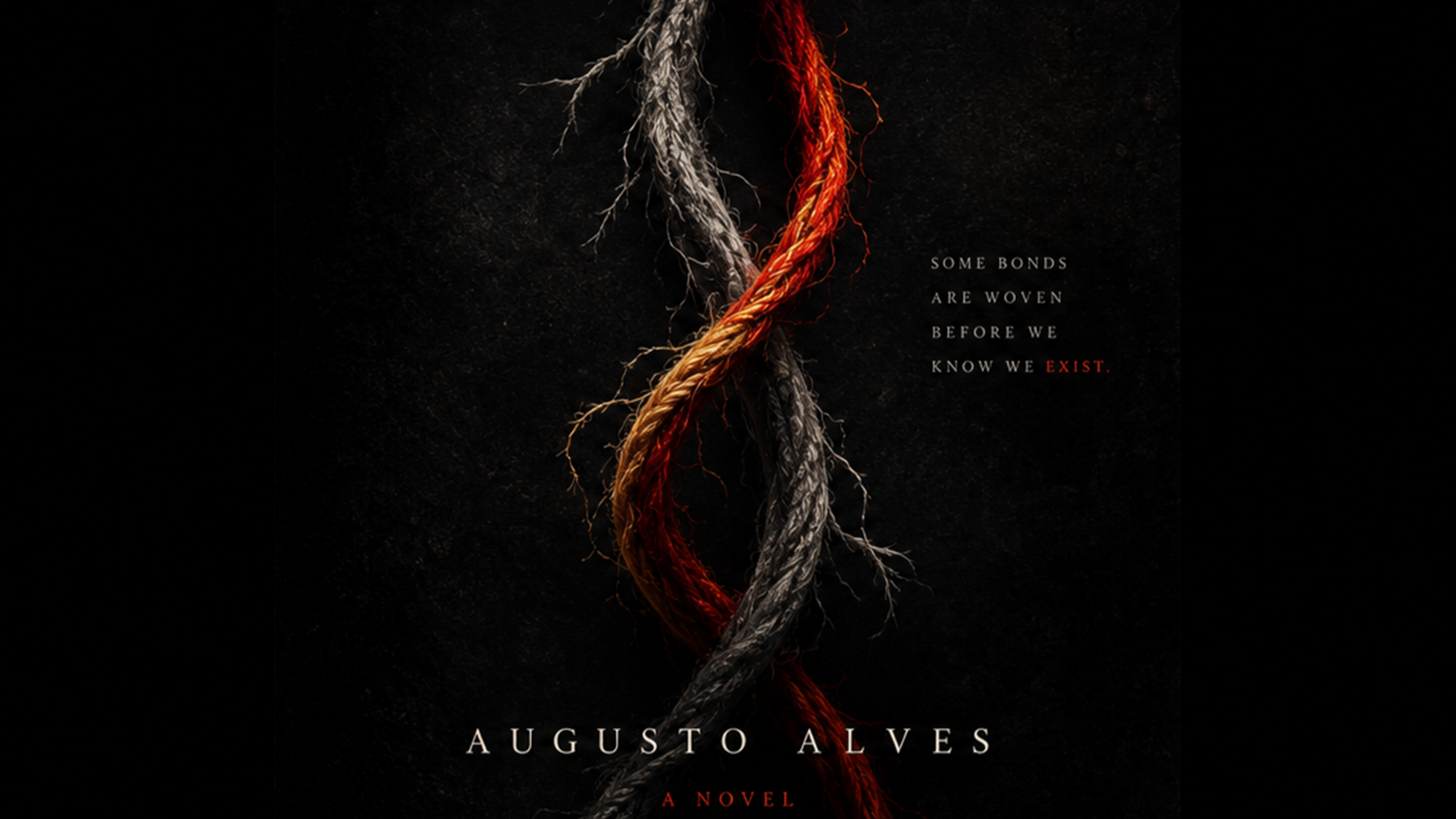
February 12, 2026Two Threads
Dois Fios
Inspiration
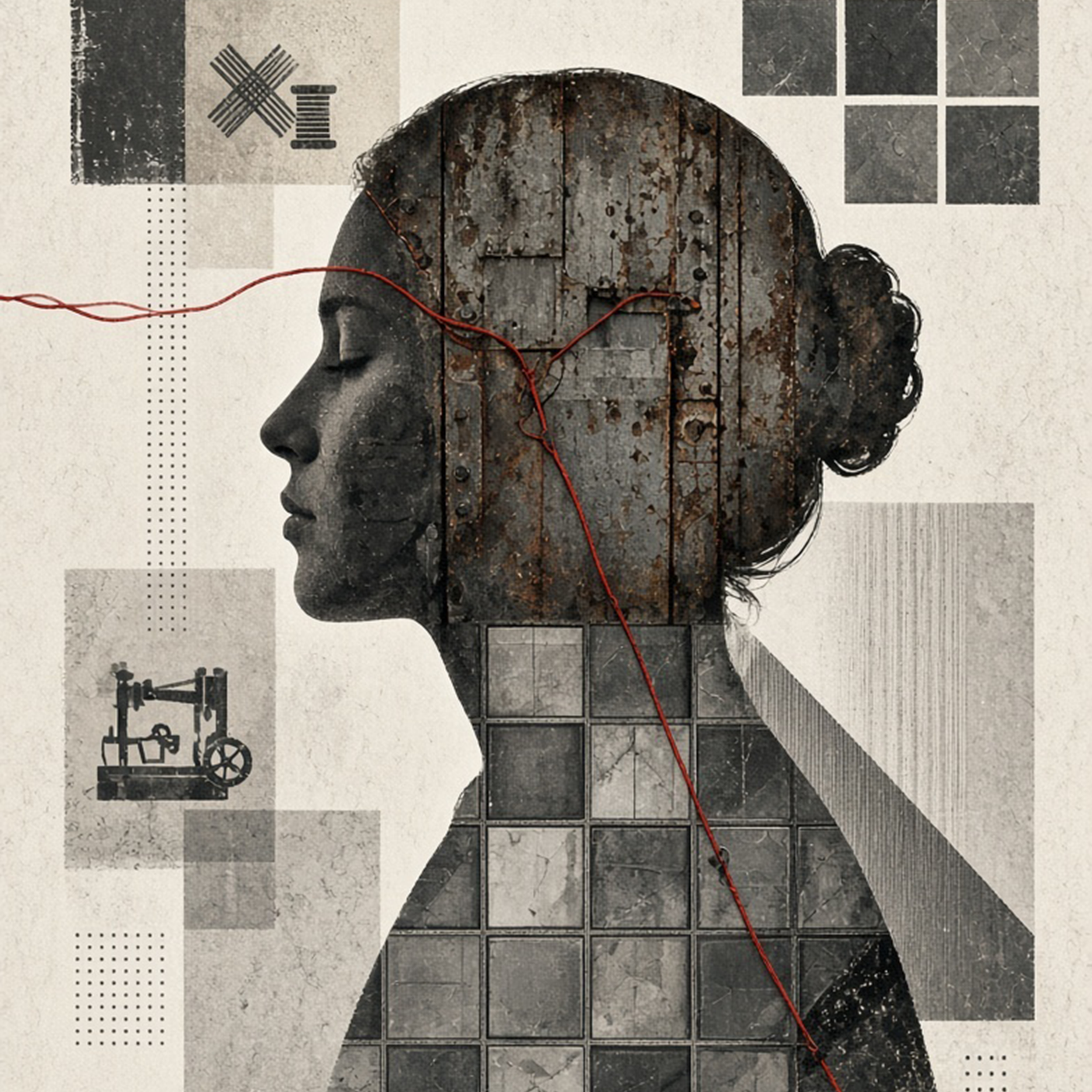
Two Threads started as a screenplay. Film school, a split screen: grey on one side, colour on the other, and a girl crossing between them. The idea outgrew every draft of the script, and somewhere along the way it stopped being a film and became this book.
Writing it changed how I read the world. In college I started seeing the machinery under ordinary life — who pays for the comfort, who fades so someone else can shine — and I went looking for the people who had seen it first. Orwell and Huxley. Marx and Fanon. Angela Davis, Silvia Federici. Those books did not hand me the story; they gave me the eyes.
The city is invented. The seeing is not.
About the book
Two Threads is a dystopian literary novel with a queer love story at each end of it. It is not a rebellion fantasy, and nobody storms anything: the system in this book is polite, well-fed, and staffed by your neighbours. It follows a mill girl who never lost the colour everyone loses on the way to adulthood — and the heir of the great House that profits, in ways he has never once asked about, from everything she has to hide. Class war written as perception. Love written as contraband. Grey and exact on one side of the wall; velvet and lying on the other. The colour does not decorate this story; it is the story.
Central question: if everything you feel runs on what was taken from someone else, is any of it yours?

Synopsis
At twenty-one, everyone in the Grey District reports to the camps. Good work, everyone says. They come back strong. Rested. Settled. Maya's oldest friend came back with his laugh swept out of him, and thanked the district for the welcome.
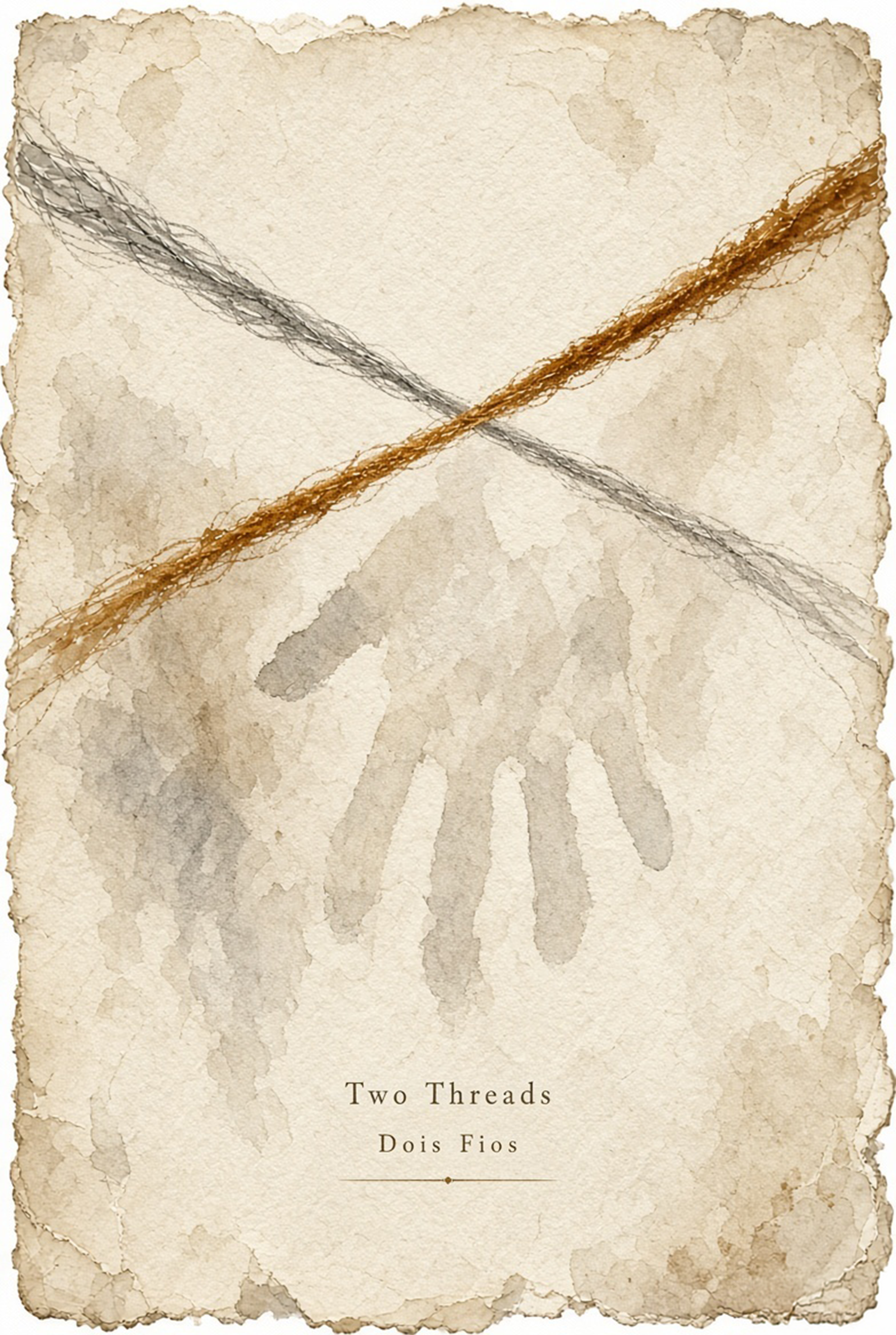
Maya is twenty, and she never faded. There is a bloom of red rust on a dead door, and she rations it: three steps a day, no more. There is a hand drawn in chalk where no one will ever look. In her city, seeing is not a gift. It is evidence, and evidence gets collected.
Across the wall lives a man who owns every colour and trusts none of his own feelings. One afternoon, from a bridge, he watches a grey service girl stop, forget herself, and look at the water.
He has never seen anyone look at anything.
Her notice is coming. The camps pay well. And what they buy, nobody in the Grey District has a word for.