
Colour as rebellion: the grey is a business model
I keep painting the same picture. A world that has gone grey. One person who can still see colour. And a system that would rather they didn't.
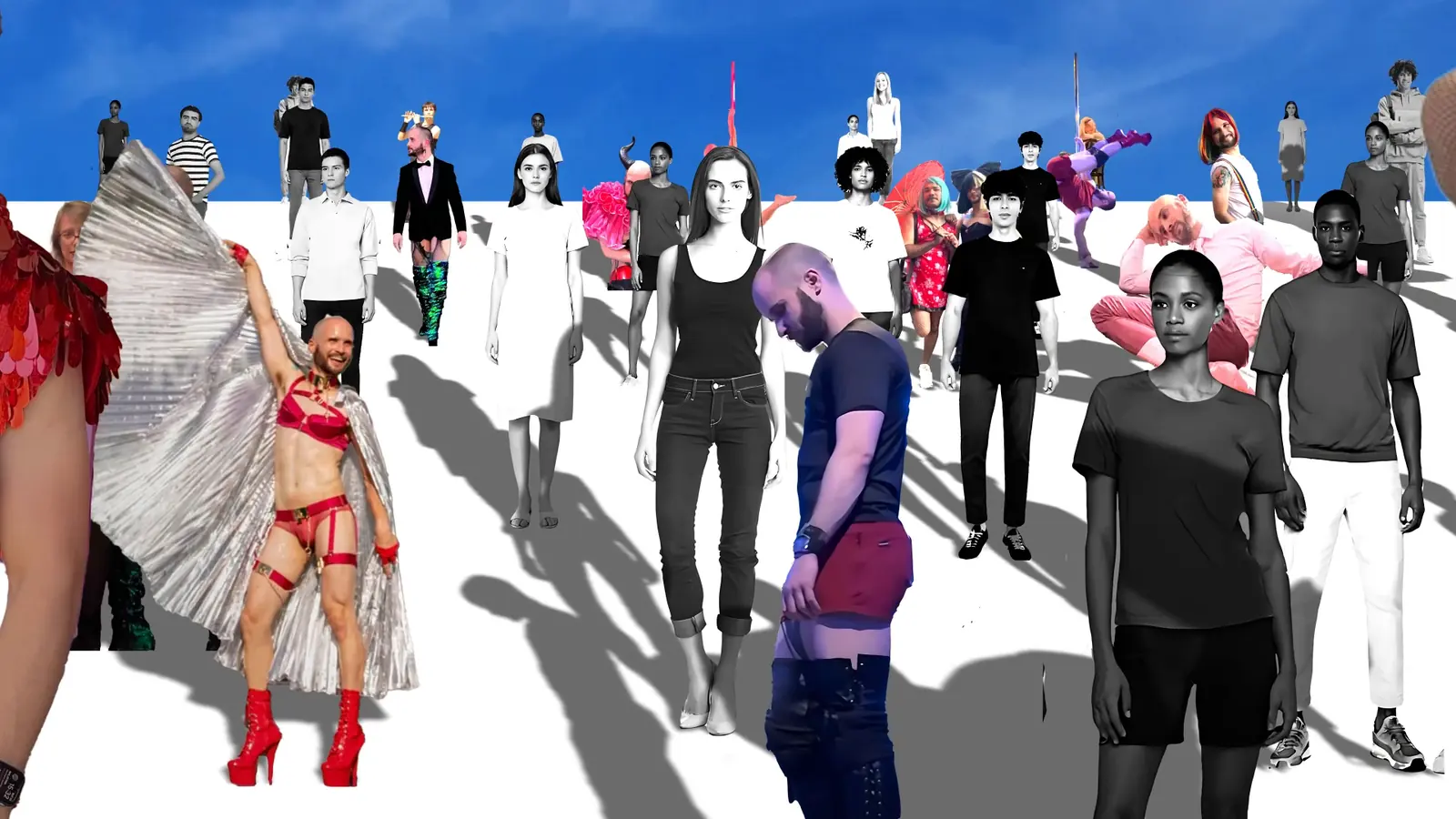
The first time I made it, I didn't know I was making it. In 2023 I cut a fifty-second piece called Versions of Me, and at the end I put colourful photographs of myself walking through a crowd of black-and-white strangers. I stole the idea from the opening titles of a Brazilian telenovela. In my notes I wrote that it meant keeping my own colour, whatever version of me other people saw.
Then I wrote it again as a short film, Other Than. Then again as a novel, Two Threads. Three times the same image, and it took me until the third to understand what the grey actually is. It isn't sadness. It isn't the weather. The grey is a business model.
The grey is a job
Thomas, in Other Than, wakes at six in a square white room. He puts on a suit, drives to an office and types. The receptionist tells him to have a joyless day. Nobody in that office is forced to be grey. They choose it every morning, because grey is what gets you hired, promoted and left alone. Grey is legible. Grey is productive. Grey keeps the wardrobe shut.
I know that wardrobe. I was fitted for it as a kid in Brazil. I watched the girl in Cardcaptor Sakura change into a new outfit every episode, looked down at my own plain clothes and said nothing, and on Sundays I put on the altar boy's robe and tried very hard to be a good boy. At our dinner table I heard the terms spelled out for a cousin who had just come out: my mother didn't mind, “as long as he acts straight.” When my father took me out of drama school so I wouldn't mix with “those people,” all I said was “But I love it,” and then I let it go without a fight. So I became an actor anyway. I played straight, full-time, for years, and the pay was being left alone.
Capitalism doesn't need us to be happy. It needs us to be useful, on time and easy to replace. Anything that makes a person harder to sort, a body that doesn't match the form, a desire that doesn't fit the schedule, gets treated as a cost. So we cut it ourselves, before anyone has to ask. That is what I mean by grey: not the absence of colour, but the colour we trade away to stay employable.
Then it sells the colour back
The first version of the film, in 2023, was called Jones. Thomas's colleagues spend the morning taunting a group of drag queens in the street. They snatch a wig and bring it back to the office like a trophy, and throw it at him. That night they take him to a strip club that has just opened, and they sit in the front row. Jones walks out into the light and Thomas sees red for the first time in his life. Then one of those colleagues pulls out a gun.
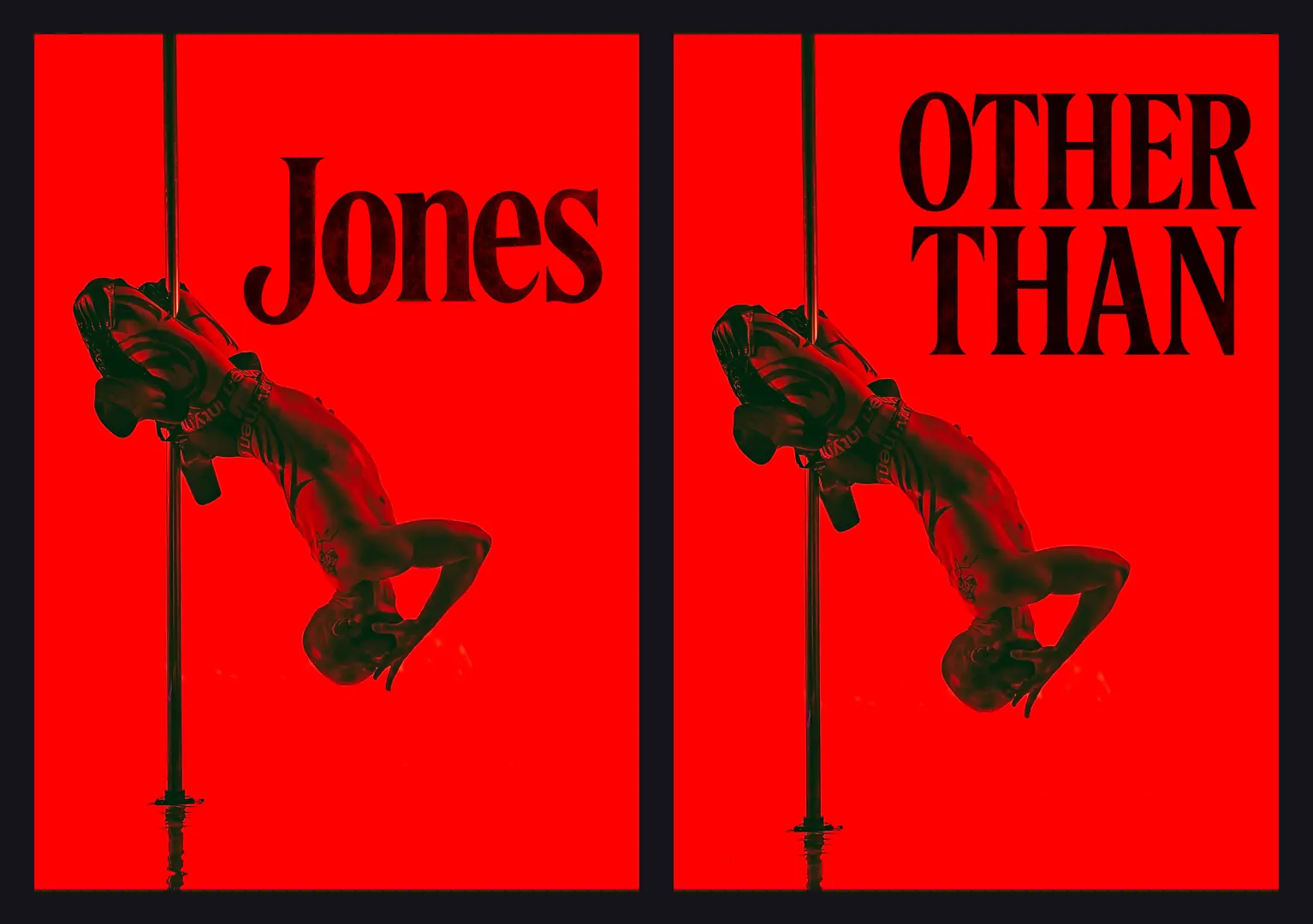
I didn't understand what I had written until much later. The club makes money from Jones. The men paying for the show are the men who want Jones gone. Both things are true on the same night, in the same room, and the till still rings.
That is how the market treats queer people. It loves our colour on a stage, on a billboard, on a float, on a limited-edition tote bag. Logos go rainbow for a season and back to grey the morning after. The colour sells. The person wearing it is optional.
Pole taught me the same lesson with my own body. The pole dancing we do in Australia comes from strip clubs. Strippers and sex workers built it, the moves, the heels, the floorwork. Now it is sold as fitness, in studios with clean branding, and the people who invented it are the first thing cut from the story so the product can look respectable. I put that on a slide in my first-year animation pitch at AIT, and I still say it: take the strippers out and you've kept the colour and thrown away the people.
I am not outside this
I would like to tell you I wrote Other Than from somewhere clean. I didn't.
In the treatment I wrote for the film in 2025, there is a line about the moment we are in, with queer rights being rolled back in several places, that calls the film “a timely market opportunity”. I wrote that. About my own story. Because that is the language you are taught to use when you ask for money, and nobody funds a film for being true.
In the business plan I wrote for GusPalette, I listed inclusive brands among my ideal clients, and I named a risk: “overemphasis on advocacy vs profitability”. I was already doing the maths on how much of my community I could afford to care about.
And right now the film waits. The script, the lookbook, the shot list and the storyboards are ready. Paid work pays the rent and Other Than sits in a folder, because a story about a queer person refusing to go grey is, in this economy, a cost.
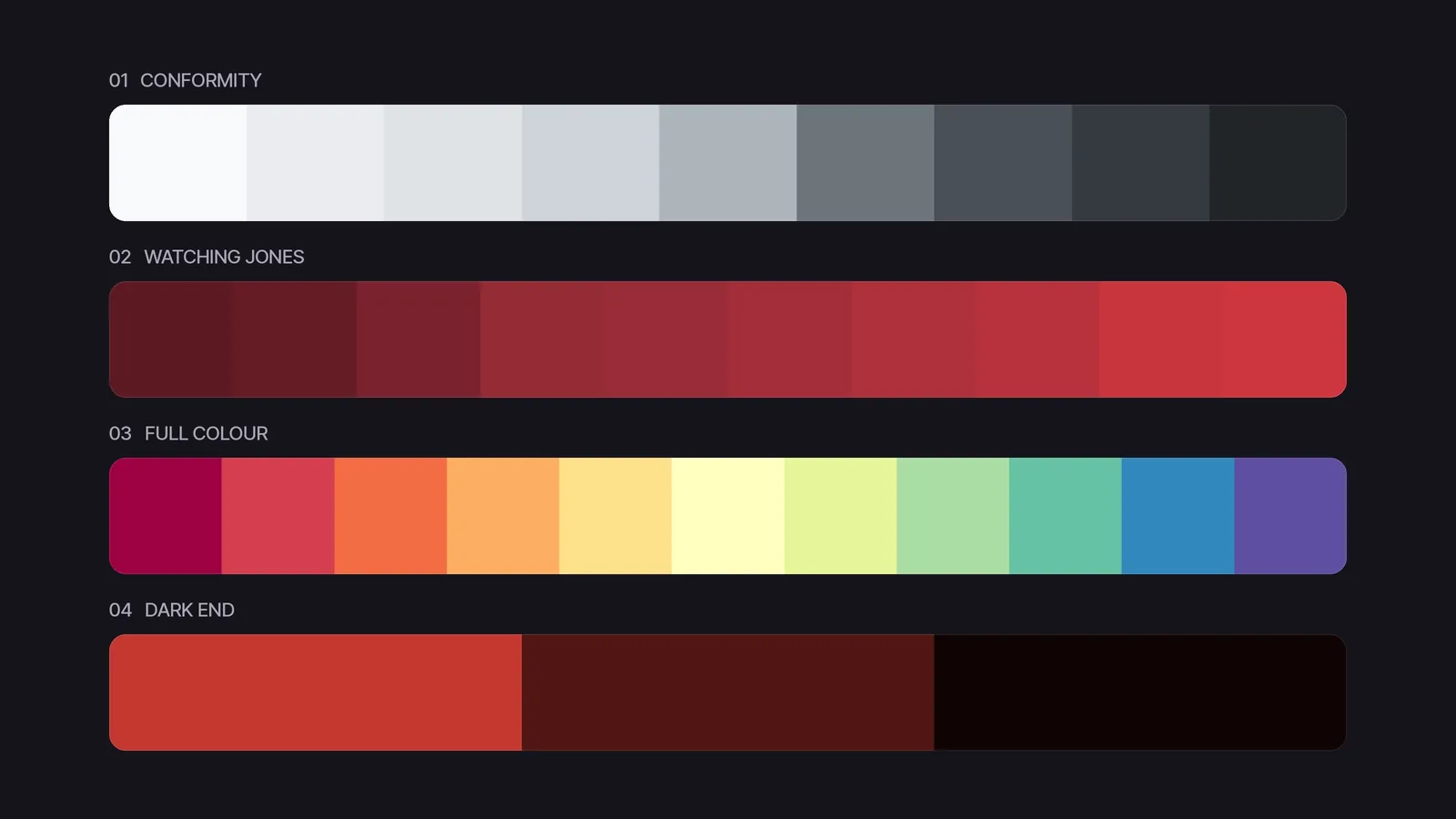
I'm telling you this because I don't want the film to pretend. Thomas doesn't escape the grey by being better than everyone else. The new version doesn't give him a bow and applause at the end. The last row of swatches in my colour plan isn't a rainbow. It is dark red falling into black. I labelled it “Dark end.”
Two Threads: when colour is the fuel
The novel takes the idea all the way. In the city of Two Threads, everyone goes grey at twenty-one and calls it growing up. One side of the wall is grey and exact. The other is velvet and lying. The colour on the velvet side has to come from somewhere.
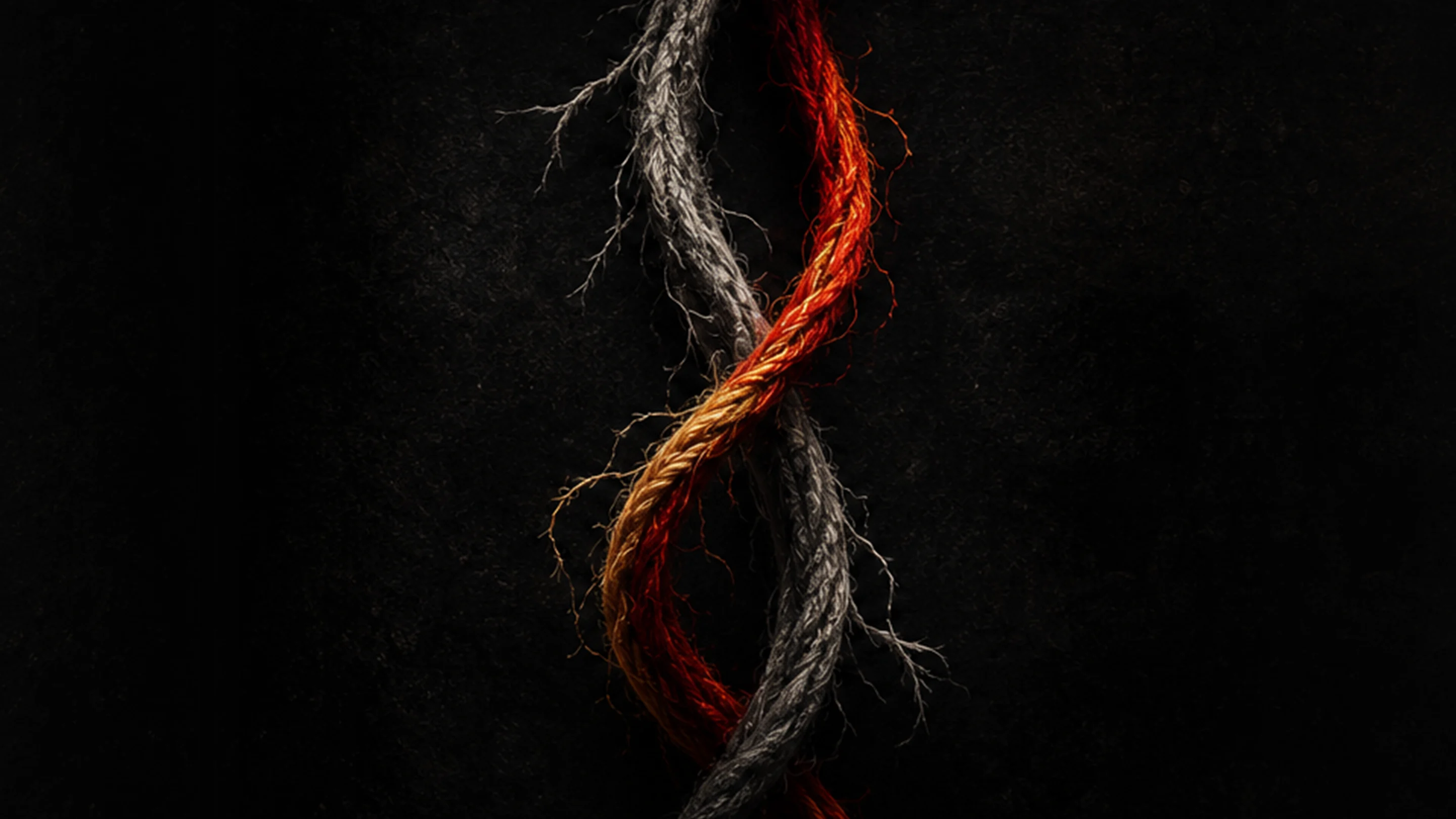
I won't tell you the plot. I'll tell you the rule I keep coming back to: colour lives in people, and it fades when nobody tends it. Nobody in that city is beaten into grey. They are worked into it, a shift at a time, until the colour they had is somewhere else, keeping someone else warm. The question under the whole book is the one I have been carrying since I came here from Brazil: if everything you feel runs on what was taken from someone else, is any of it yours?
I didn't find that question in a novel. I found it when I started reading Marx, Silvia Federici, Angela Davis and Frantz Fanon, and realised they were describing my week.
Why colour, and not a speech
People ask why I don't just say it. Why a girl rationing three steps a day past a patch of red rust. Why a man uncapping a red lipstick in a bathroom mirror and watching the colour flare and go. Why not a speech.
Because the system is very good at absorbing speeches. It prints them on T-shirts. What it can't sell is a person who stops in the middle of a shift and looks at the water. In both stories the rebellion is small: seeing, and keeping what you see. Opening a wardrobe. Refusing to go grey on schedule.
That is what I want GusPalette to be for. Queer stories made by queer people, paid properly, owned by the people in them. Not borrowed for a campaign and handed back in March.
If you want to help Other Than get made, the GoFundMe is on the film's page. I'm raising it from our own community, and I would rather owe you than a brand.
Keep your colour. Somebody is making money every time you don't.