
How the far right took Brazil (and how we take it back)
So. Brazil voted on 4 October, and the far right came first. Flávio Bolsonaro got about 47% of the vote, Lula about 45%, and they face each other again on Sunday 25 October.
If you don't follow Brazilian politics: Flávio is Jair Bolsonaro's son. Jair is the former president now serving 27 years for trying to overturn the last election, and from prison he picked his son to run in his place. Flávio calls his dad "the greatest political and moral leader of Brazil" and has promised to get him out, with an amnesty if Congress plays along or a pardon if it doesn't.
And it's not just Brazil. Trump is back, Milei runs Argentina, Kast has just won Chile. The far right is winning almost everywhere, and the books I've been reading for my novel, about capitalism, gender and power, have helped me understand why better than the news has. So here's how I think we got here, and why I'm asking our community to back the left on the 25th.
How we got here
None of this came out of nowhere. About ten years ago, the safety net started to go. In 2016 Dilma Rousseff was impeached, and by the end of that year Congress had frozen public spending for 20 years: the budget can only grow with inflation, however many more people need a hospital or a school. Then came a labour reform and a law letting companies outsource any job. Less security, more hustle.
Wendy Brown describes this better than anyone. Once the market is left to run everything, "markets and morals" end up governing people's lives, and the only things left holding anyone up are family, church and nation. That's exactly what Jair sold in 2018. To millions of Brazilians working without a contract or a safety net, he offered God, family, guns and the flag, and he handed the economy to a Chicago-trained economist who'd taught in Pinochet's Chile.
He had help. The man leading the polls that year, Lula, was in prison after a conviction by judge Sergio Moro, and he was barred from running. Days after Bolsonaro won, Moro became his justice minister. Three years later the Supreme Court annulled Lula's convictions and ruled that Moro had been biased. Bit late. Daniel Finn, writing in Jacobin, uses Moro as the model for how it works now: democracy is fine until it threatens the people at the top, and then the courts find a way. No tanks needed.
And he had a witch. In 2017, outside a conference about democracy in São Paulo, people burned an effigy of the philosopher Judith Butler dressed as one. By 2018 that panic had a whole campaign behind it. Bolsonaro told the country the Education Ministry was sending a "gay kit" to schools. It wasn't true (it was a twisted version of an anti-homophobia school project that never even went ahead), and the electoral court made him take the videos down. Meanwhile businesses were paying for mass WhatsApp messages against the PT, and the electoral court later agreed that an illegal fake-news blasting scheme had existed. Bolsonaro won with 55%.
Butler later wrote a whole book about how this works. The panic about "gender" soaks up fears with real causes (rent, jobs, a health system falling apart) and points them at a teacher, a drag queen, a trans kid. And Silvia Federici shows in Caliban and the Witch that Europe's witch hunts came with the birth of capitalism, and went after women, the poor and anyone who didn't fit. So I actually laughed when Trump, announcing a 50% tariff on Brazil in 2025, called Jair's trial "a Witch Hunt". Real witch hunts never go after the powerful.
The polite version
Bolsonaro governed exactly as promised. He scrapped the national council against LGBT discrimination. He said Brazil couldn't become "a country of the gay world, of gay tourism" because "we have families". When a reporter asked him about an investigation into Flávio's old office, he told the reporter he had "a terribly homosexual face". Brazil lost more than 700,000 people to COVID. He lost the 2022 election by a hair, and on 8 January 2023 his supporters smashed their way into Congress, the Supreme Court and the presidential palace. Last year he was convicted of plotting a coup, and the evidence included a plan to kill Lula.
Now it's the son's turn, and he's gone soft-focus. His own polling showed moderate voters associated him with the military, so he's been praising carnival and liking posts about "everyone's freedom". In my novel, the system that takes people's colour is polite, well-fed and staffed by your neighbours. It never shouts. It sends a form. That's Flávio.
So read the form. His plan doesn't mention LGBTQIA+ people directly. The closest it gets is keeping trans girls and women out of women's sport, from kids' teams up. It says parents decide which values their children receive, which in Brazil has long been code for "don't talk about gender or sexuality at school". His party has put forward 285 anti-LGBTQIA+ bills since 2019, and in 2023 a congressional committee voted to ban same-sex marriage on a report by one of its deputies. Most of the rights queer Brazilians have came from the Supreme Court, not Congress, and the next president gets to appoint at least three of its eleven judges.
On crime, he wants 16-year-olds treated as adults by the courts, and 14-year-olds for the worst crimes. In August he promised that criminals would be taken out of circulation "standing up or lying down". This is the party whose governor in Rio ran the deadliest police raid in Brazil's history last year: 121 people dead in a day. Angela Davis wrote that prisons let a society avoid dealing with its real problems. "Lying down" is the express version.
Why the left, and why us
Voting against Flávio isn't the whole job. Nancy Fraser's warning is the one I keep coming back to: if the left only offers diversity on the poster while the banks stay in charge, the anger stays, and it prepares the ground for "future Trumps—ever more vicious and dangerous". What works is both at once. Rights and wages. Trans healthcare and taxing the rich.
That's what left-wing policy looks like, and some of it is already here. Since January, nobody in Brazil earning up to R$5,000 a month pays income tax, and it's paid for by a minimum tax on people earning over R$600,000 a year. Bolsa Família is back, with extra for every small kid. Lula's government created Brazil's first national secretariat for LGBTQIA+ rights and put a travesti, Symmy Larrat, in charge of it. Flávio's plan has nothing for us.
Is it enough? No. Lula also signed a law banning neutral language like "todes" in official communication, and queer groups who support him say the LGBTQIA+ budget is small and trans health keeps getting pushed back. Voting Lula is where the work starts, not where it ends. But there's a difference between a government you have to fight and a government that sees you as the problem. The first one gives you a floor to stand on while you fight.
And it's going to be harder than before. On the same day, Brazil elected a Senate that swings hard to the far right. From February, Bolsonaro's party alone will have 28 of the 81 senators, the biggest bloc, and with its allies it has more than 40 seats: a majority. That's enough to pick the Senate president, who decides whether impeachment cases against Supreme Court judges go ahead, and it's the Senate that has to approve whoever the next president names to that court. The Chamber of Deputies was already run by the right and the centrão. So even if Lula wins, every right we have will be fought over in Congress for the next four years. That's not a reason to give up. It's the reason the 25th matters so much: a president who names the judges, can veto bills and runs the ministries is one of the few brakes we've got left.
And it's our fight, because most of us aren't on the float at Mardi Gras. We're working the shift, renting the room, waiting for the clinic. The term "identity politics" was coined in 1977 by the Combahee River Collective, Black lesbian feminists who called themselves socialists. They never separated who they were from how they lived and worked, and neither should we. For almost 18 years Brazil has killed more trans people than any other country in the world. A rainbow logo won't fix that. Wages, clinics, schools and courts might.
If you're Brazilian and enrolled to vote in Australia, the runoff is on Sunday 25 October, 8am to 5pm, and you only vote for president. Check where in the e-Título app. If you can't vote, call home. Answer your uncle in the family WhatsApp, not with a lecture but with a story. And if you're not Brazilian, ask your Brazilian mates if they're voting.
Why this is personal
I don't back the left because of a book. I back it because of the house I grew up in.
In 1997 I was a little kid on a sofa in Brazil when the news showed the first Pride parade on Avenida Paulista. Someone in the room said they wished a bomb would drop on it. Over the years I heard plenty more like that, from people I loved: around the dinner table when a cousin came out, from the pulpit on Sundays, on the way home from the drama classes I wasn't allowed to keep doing. Nobody shouted. It was just what got said.
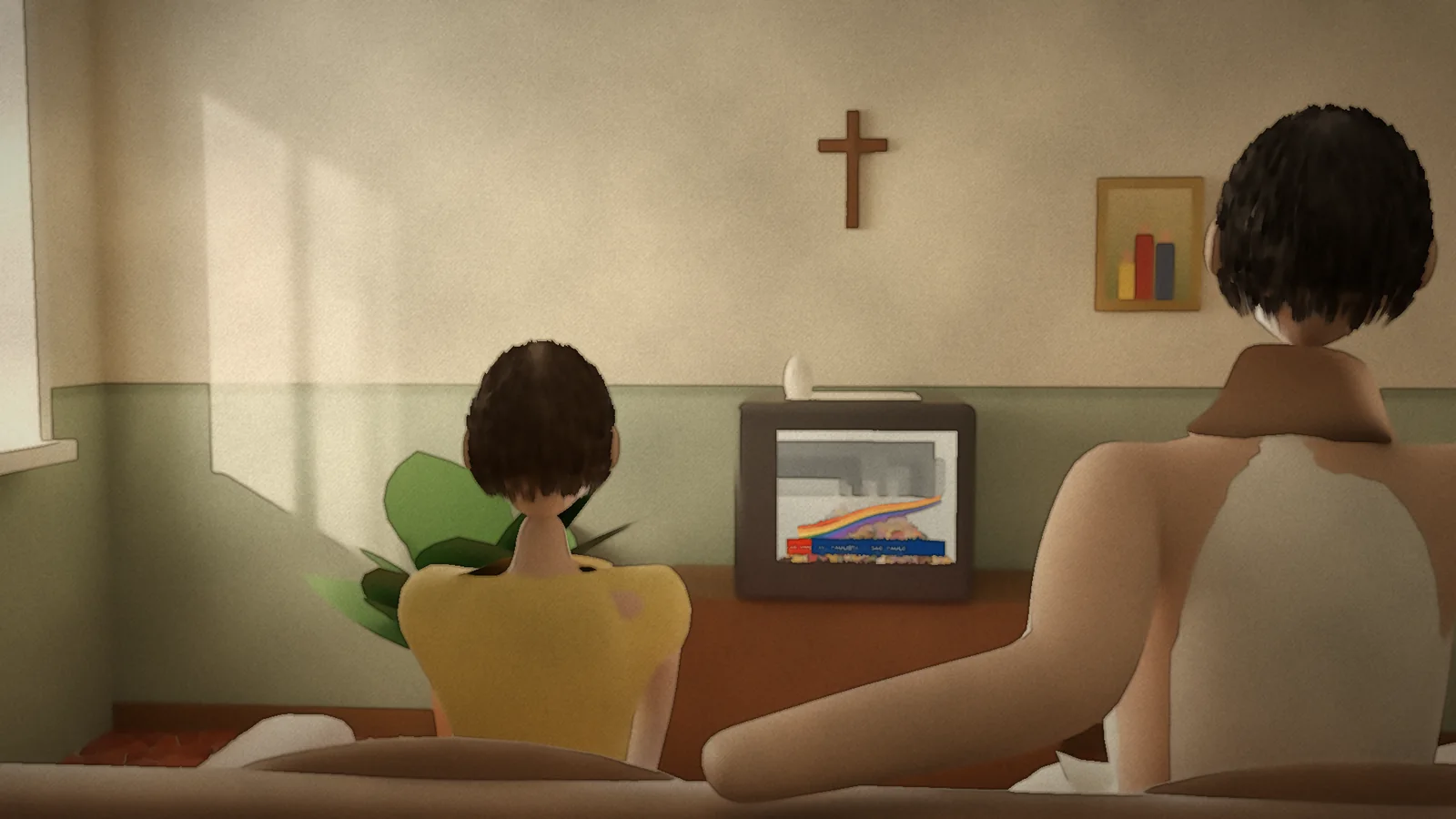
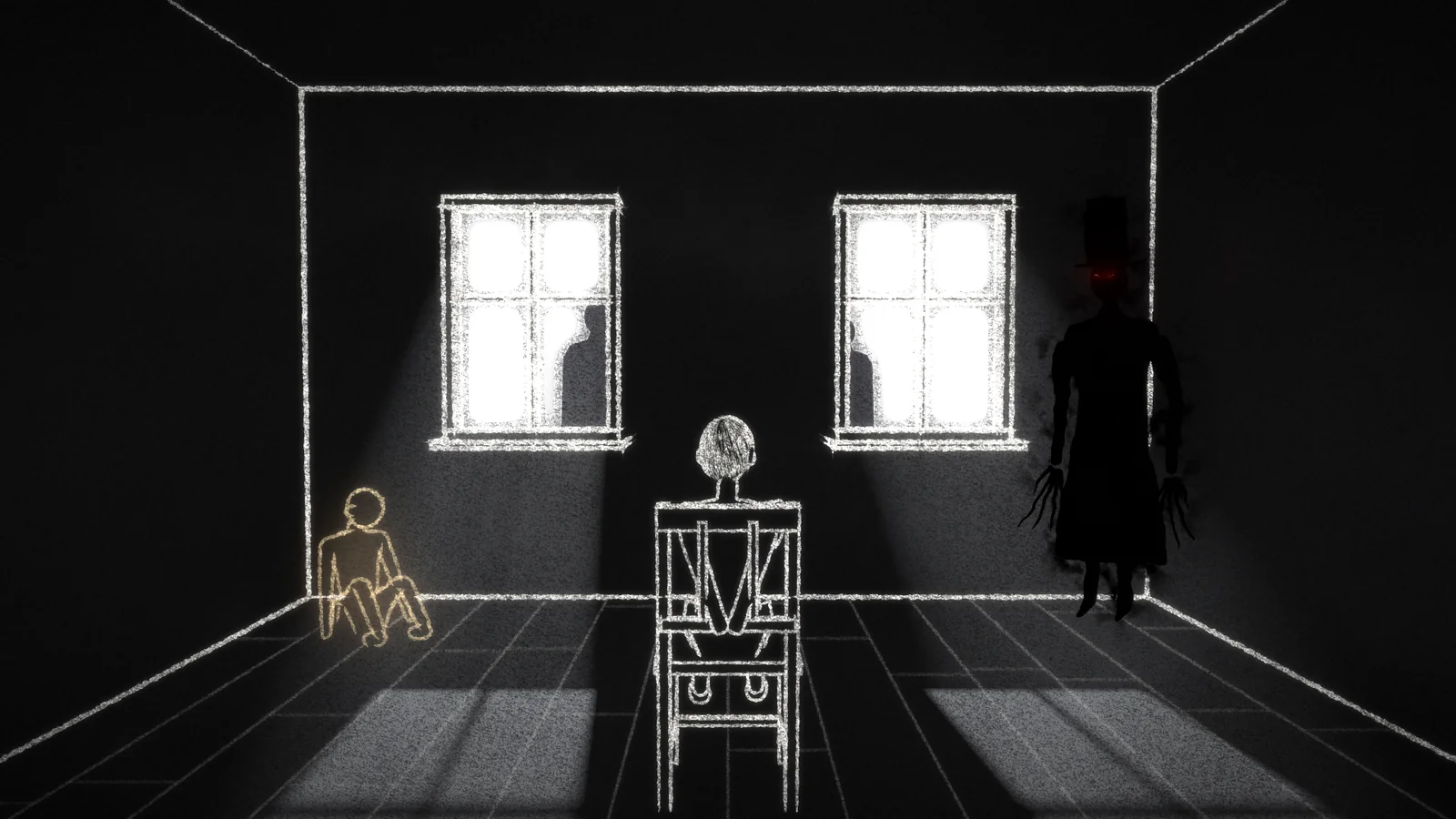
I love those people, and I still think about them all the time. They weren't monsters. They were repeating what their church, their TV and everyone around them said, the same way so many good people are repeating the far right now. That's exactly why I can't hear it as "just talk". When a president tells a reporter he has a homosexual face, or a campaign invents a "gay kit", I know which living rooms those words land in, and what they give kind people permission to say over dinner. I've spent years trying to put those rooms into my animated film Trauma, where a shadow in the corner keeps whispering hide, conform, be straight. Nearly everything he whispers, I heard first from real people, in the same words the far right now uses on stage.
It's also why one line in Flávio's plan scares me more than the rest: parents decide which values their children receive. The "gay kit" was a lie about a school project against homophobia that never even happened. I didn't need a kit. I needed one adult, somewhere, to tell me I was fine. That line leaves kids like me with only what they hear at home, however much their families love them.
Then there's money. When I wrote a self-eulogy through a character called Jonas, I thought it would be about being queer. Half of it ended up being about money: the uniforms, the bills on the wall, giving up the thing that made him feel free because he couldn't pay for it. Homophobia and poverty work as a team. The kid who can't afford to leave a place where they can't be themselves stays there. The adult who can't afford a deposit, a therapist or a plane ticket stays stuck too. That's why the boring stuff (tax, wages, Bolsa Família, public health) is queer politics to me. Freedom costs money, and only one side in this election is even trying to share it around.

In Trauma, the grown man doesn't get free by pretending the shadow has gone. The windows open, and he looks it in the eye. That's how 25 October feels to me. Whatever happens, the far right isn't going anywhere. Neither are we. I'd just rather face it from a country with its windows open. I'm voting for the floor.
Want to go deeper? These are on my shelf: Wendy Brown, In the Ruins of Neoliberalism; Judith Butler, Who's Afraid of Gender?; Silvia Federici, Caliban and the Witch; Nancy Fraser, The Old Is Dying and the New Cannot Be Born; Angela Y. Davis, Are Prisons Obsolete?; and Daniel Finn's Jacobin piece "Conservadores e liberais não suportam a democracia".